By Dr. Jonathan Lavian, MDSkin Cancer & Spots
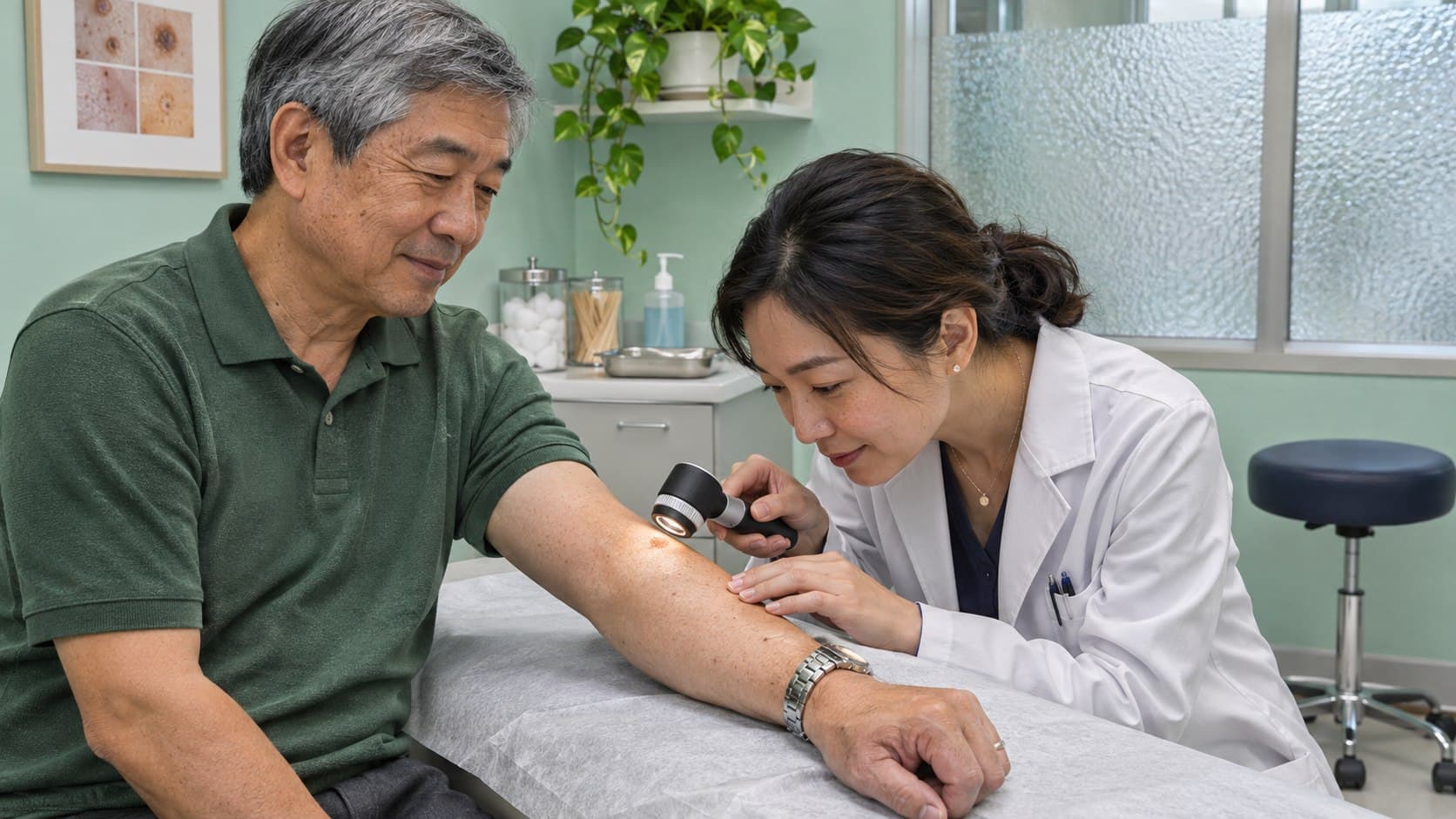
Skin cancer is the most common cancer in the United States, and living somewhere as sunny as Arizona raises your risk. The good news is that when skin cancer is caught early, it is almost always treatable. Here are answers to the questions our patients ask most.
What are the main types of skin cancer?
There are three main types:
- Basal cell carcinoma (BCC) is the most common type. It often looks like a shiny, pearly or pink bump, or a sore that bleeds and won't heal. It grows slowly and rarely spreads, but it can damage surrounding skin if left untreated.
- Squamous cell carcinoma (SCC) is the second most common. It often looks like a rough, scaly red patch, a firm bump or a crusted sore, usually on sun-exposed areas. It is more likely than BCC to spread if it isn't treated.
- Melanoma is less common but the most dangerous, because it can spread to other parts of the body. It often appears as a new or changing mole, or a dark spot that looks different from your other moles.
What causes skin cancer?
The biggest cause is ultraviolet (UV) radiation from the sun and tanning beds. Other risk factors include:
- A history of sunburns, especially blistering burns in childhood
- Fair skin, light eyes, or red or blond hair
- Many moles, or unusual-looking moles
- A family or personal history of skin cancer
- A weakened immune system, such as after an organ transplant
People of all skin tones can get skin cancer. In people with darker skin, it is often found later, when it's harder to treat, and can show up in less sun-exposed areas like the palms, soles of the feet and under the nails.
What warning signs should you look for?
Check your skin for the ABCDEs of melanoma:
- A — Asymmetry: one half doesn't match the other.
- B — Border: irregular, ragged or blurred edges.
- C — Color: several colors or uneven shading.
- D — Diameter: larger than a pencil eraser (about 6 mm), though melanomas can be smaller.
- E — Evolving: any change in size, shape, color or height.
Also make an appointment for any sore that doesn't heal within a few weeks, a spot that bleeds, itches or hurts, or a "ugly duckling" mole that looks different from the rest.
How often should you get a skin check?
It depends on your risk. Most adults benefit from checking their own skin once a month, using a mirror for hard-to-see areas or asking a partner for help. A professional skin exam is recommended if you have:
- A personal or family history of skin cancer
- Many moles or unusual moles
- Fair skin or a history of frequent sunburns
- Lots of time in the sun, through work or hobbies
Your dermatologist can recommend how often you should come in, typically once a year for people at higher risk.
How is skin cancer treated?
Most skin cancers are treated by removing them in the office. Depending on the type, size and location, options may include:
- Surgical excision, cutting out the cancer along with a small border of healthy skin
- Mohs surgery, a specialized technique that removes the cancer layer by layer while sparing as much healthy skin as possible, often used on the face
- Prescription creams or freezing for some very early or superficial skin cancers and precancers
How can you lower your risk?
- Wear sunscreen every day, SPF 30 or higher, with zinc oxide.
- Wear sun-protective clothing, a wide-brimmed hat and sunglasses.
- Seek shade during peak sun hours, roughly 10 a.m. to 4 p.m.
- Never use tanning beds.
- Check your skin monthly and see a dermatologist for anything new or changing.
The bottom line
Skin cancer is common, especially in sunny places like Arizona, but it's highly treatable when caught early. Protect your skin every day, know the warning signs, and don't wait to get a changing spot checked.
Due for a skin check? Schedule an appointment with us at dodermatology.com.
This article is for general education and isn't a substitute for an exam or personal medical advice.