By Dr. Jonathan Lavian, MDSkin Conditions
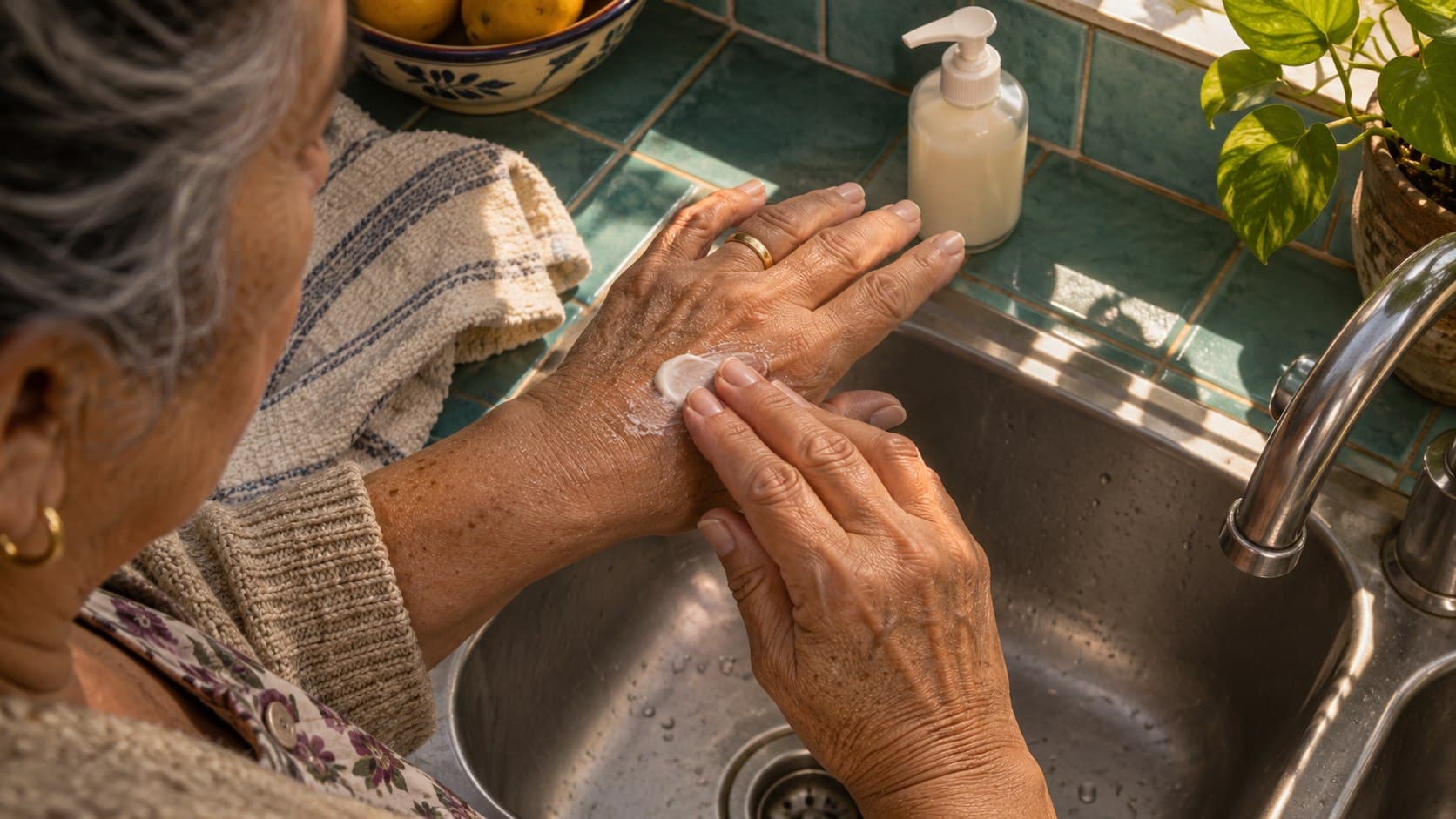
Dry skin is one of the most common reasons people visit a dermatologist. It can feel tight, itchy and rough, and it may even crack or flake. Dry air, hot water, harsh soaps and aging can all strip moisture from the skin. The good news is that a few small changes to your daily routine can make a big difference. Here are our answers to the questions patients ask most.
What should you do if you have dry skin?
Switch your moisturizer to a thick cream or ointment. Standard moisturizing lotions are mostly water and are simply insufficient for adequately hydrating very dry skin.
A quick way to tell the difference: lotions usually come in a pump bottle and pour easily, creams are thicker and often come in a jar or tub, and ointments (like petroleum jelly) are the thickest and most protective of all.
When reading labels, look for helpful ingredients such as:
- Petrolatum, which seals moisture into the skin
- Ceramides, which help repair the skin's natural barrier
- Glycerin and hyaluronic acid, which draw water into the skin
And as with soap, choose products that are fragrance-free.
When is the best time to moisturize?
Right after you bathe. Apply your cream or ointment within a few minutes of getting out of the shower, while your skin is still slightly damp. This locks in the water your skin just absorbed. Gently pat your skin dry with a towel rather than rubbing.
For very dry hands, try applying a thick layer of ointment at bedtime and wearing cotton gloves overnight.
What is the best type of soap for dry, sensitive skin?
Opt for a fragrance-free bar soap formulated specifically for sensitive skin.
Liquid soaps need preservatives to keep them from spoiling, and these ingredients can sometimes trigger irritation or allergic reactions in people with sensitive skin.
It also helps to use soap only where you need it, such as the underarms, groin and feet, and simply rinse the rest of your body with water.
How should you adjust your shower routine if you have dry skin?
Keep your showers short and use lukewarm water. Long, hot showers strip away the skin's natural oils and dry it out quickly. Aim for about 5 to 10 minutes.
What else can help?
A few more habits that protect dry skin:
- Run a humidifier in your bedroom, especially during the winter or in dry climates.
- Use fragrance-free laundry detergent and skip scented dryer sheets.
- Avoid harsh scrubs and exfoliating brushes, which can further damage dry skin.
- Wear soft, breathable fabrics like cotton next to your skin instead of wool.
- Protect your skin outdoors with gloves in cold weather and daily sunscreen year-round.
When should you see a dermatologist?
Make an appointment if:
- Your skin stays dry or itchy even after a few weeks of these changes.
- Itching keeps you up at night.
- Your skin is cracking, bleeding or shows signs of infection, such as oozing or crusting.
- You have red, inflamed patches, which may be a sign of eczema or another skin condition that needs treatment.
The bottom line
- Use a thick cream or ointment, not a lotion.
- Moisturize right after showering, while your skin is still damp.
- Choose a fragrance-free bar soap for sensitive skin.
- Keep showers short and lukewarm.
Still dealing with dry, uncomfortable skin? Our team can help find the cause and the right treatment. Schedule an appointment with us at dodermatology.com.
This article is for general education and isn't a substitute for an exam or personal medical advice.