By Dr. Jonathan Lavian, MDSkincare
The moisturizer aisle is packed with promises: glowing skin, fewer wrinkles, "age-defying" formulas. But what does moisturizer actually do, and which kind should you buy? Here's a dermatologist's no-nonsense guide.
Should you use moisturizer every day?
If your skin is dry, yes. That's what moisturizer is for.
If your skin isn't dry, you don't need to use one just for the sake of it. Despite what many ads suggest, there is no evidence that moisturizing prevents wrinkles or slows the normal aging of the skin. (If preventing wrinkles is your goal, sunscreen is the product that actually makes a difference.)
What's the difference between a lotion, a cream and an ointment?
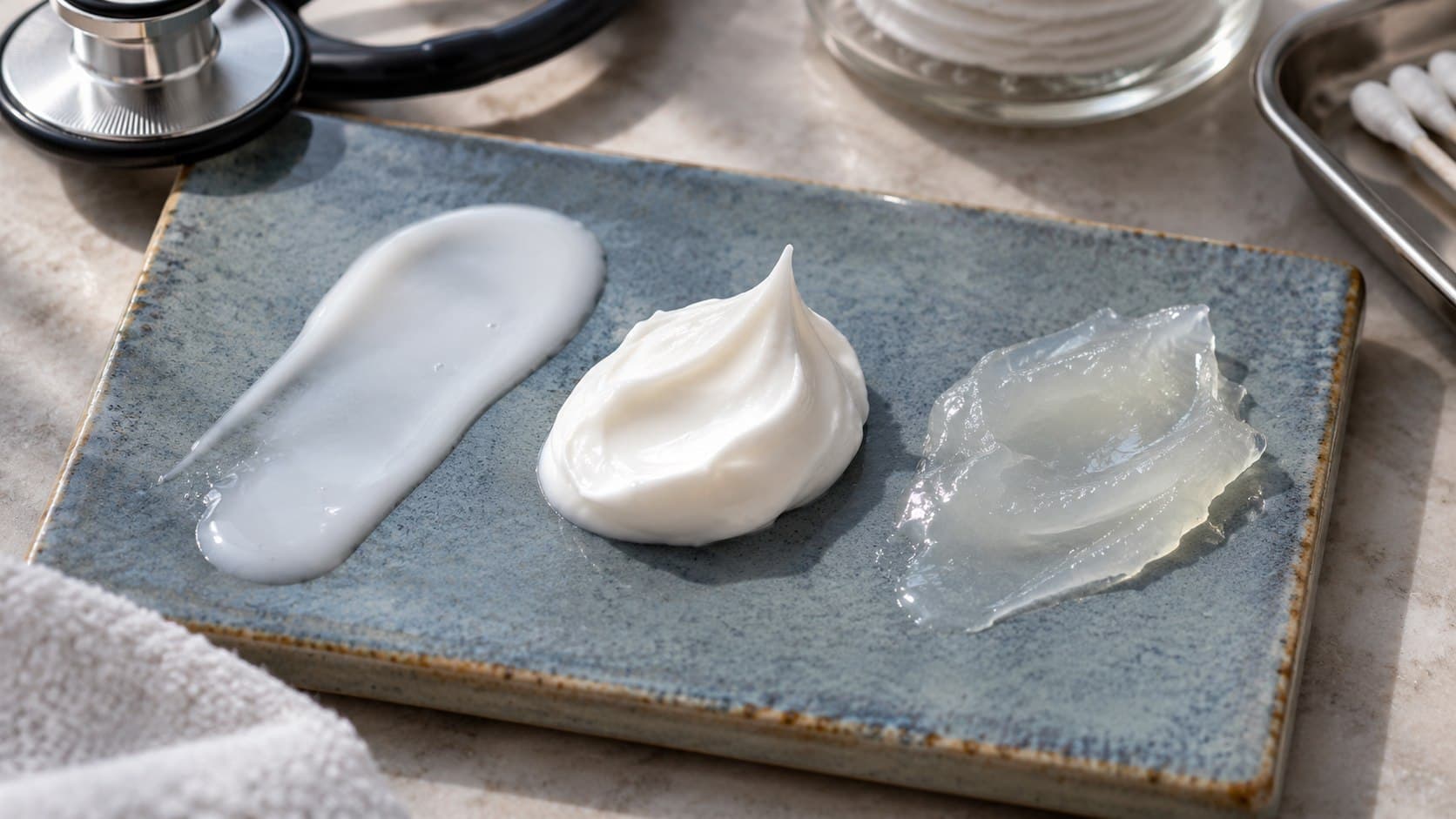
The main difference is how much water each contains:
- Lotions have the highest percentage of water. They feel light and absorb quickly, but they also evaporate quickly, so they don't hydrate dry skin for long. They usually come in a pump bottle.
- Creams are thicker, with less water and more oil. They moisturize much better than lotions and usually come in a jar or tub.
- Ointments, such as petroleum jelly, contain little to no water. They are the most effective at sealing in moisture, but can feel greasy or sticky.
What kind of moisturizer should you use?
It depends on your goal:
- For dry skin: use a cream or an ointment. If your skin is dry enough to need moisturizer, you probably need something thicker than a lotion.
- For very dry, cracked or burning skin: use an ointment. Cracked skin often stings when lotions or creams are applied, because their water and added ingredients can irritate it. An ointment protects the skin and helps it heal more quickly.
- For a light daily layer: a lotion can be useful when you want something non-greasy, for example as a base under sunscreen on your face in the morning.
How can you get the most out of your moisturizer?
- Apply it right after bathing, within a few minutes, while your skin is still slightly damp.
- Choose fragrance-free products, especially if your skin is sensitive.
- Use ointment overnight if you find it too sticky during the day.
- Look for proven ingredients like petrolatum, ceramides and glycerin rather than paying extra for trendy additives.
The bottom line
- Moisturize if your skin is dry. It won't prevent wrinkles, but it will keep your skin comfortable and healthy.
- Creams beat lotions for dry skin.
- Ointments are best for very dry or cracked skin.
Still struggling with dry, irritated skin? It could be eczema or another treatable condition. Schedule an appointment with us at dodermatology.com.
This article is for general education and isn't a substitute for an exam or personal medical advice.